
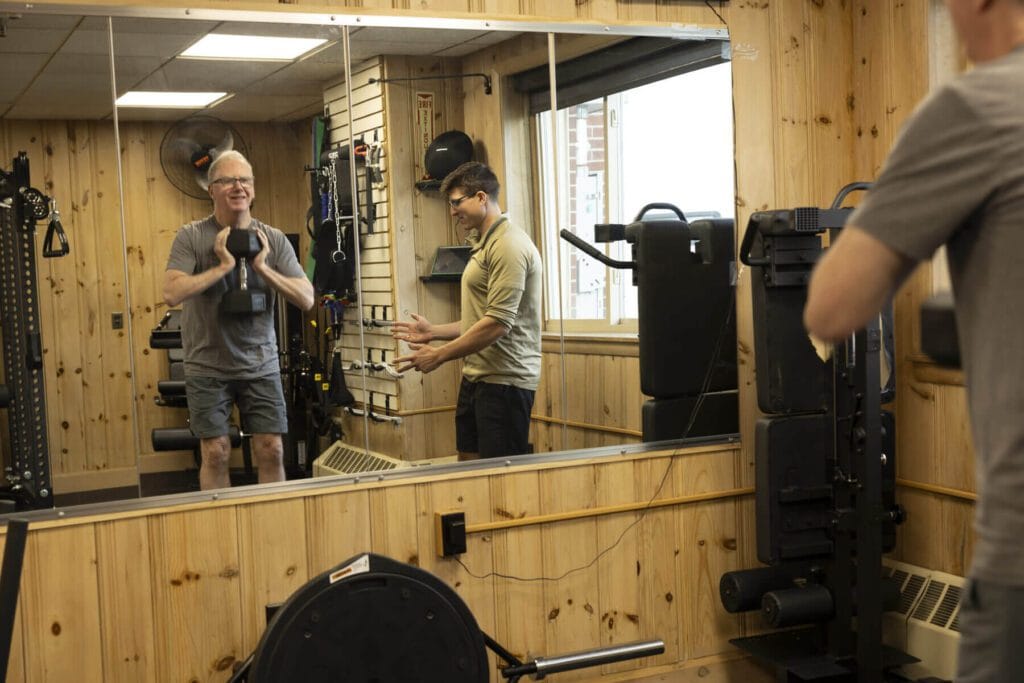
Protein is the one supplement question worth getting right, and the answer is less complicated than the internet makes it look. Here is the target, the reasoning, and how to hit it without weighing every meal for the rest of your life.
The target
For adults doing strength training, the research supports roughly 1.6 to 2.2 grams per kilogram of bodyweight per day. If you prefer pounds, that is about 0.7 to 1 gram per pound.
Examples:
- 70 kg (154 lb): about 110 to 150 g per day
- 85 kg (187 lb): about 135 to 185 g per day
- 100 kg (220 lb): about 160 to 220 g per day
If you are carrying a lot of excess body fat, base the number on a goal or lean body weight rather than total weight.
Why that range
Below roughly 1.6 g/kg, most people leave muscle adaptation on the table. Above about 2.2 g/kg, additional protein produces little extra benefit for muscle growth, though it can help with satiety in a fat loss phase. The range is where the returns are clear and the effort is reasonable.
Higher intakes are not dangerous for healthy kidneys, a claim that has been repeatedly tested and not supported for people without existing kidney disease.
Spacing it out
Muscle protein synthesis responds better to protein spread across the day than delivered in one large meal. A practical approach is three to four meals of 30 to 45 grams each. That is the whole protocol.
Sources that make it easy
- Chicken or turkey breast — about 31 g per 100 g cooked
- Greek yogurt — about 10 g per 100 g
- Eggs — about 6 g each
- Whey or casein powder — 20 to 25 g per scoop
- Cottage cheese — about 11 g per 100 g
- Salmon and tuna — 22 to 25 g per 100 g
- Lentils, beans, tofu, tempeh for plant-based eating
If you are vegetarian or vegan, aim toward the upper end of the range and spread sources across the day, since plant proteins are generally lower in leucine.
The three most common mistakes
1. Skipping breakfast protein
Most people eat 10 grams at breakfast and 60 at dinner. Move 25 to 35 grams to the morning and the daily total gets easier immediately.
2. Drinking calories but not eating them
Shakes are a tool, not a diet. They are excellent for closing a gap of 25 grams. They are a poor substitute for the other four meals.
3. Tracking forever
Track for two weeks to learn what your portions actually look like. Then use the hand measures: a palm of protein at each meal, a fist of vegetables, a cupped hand of carbohydrate, a thumb of fat. For most people that is enough.
Does timing around training matter?
Far less than the daily total. Getting protein within a couple of hours of training is a small bonus, not a requirement. If you hit your daily target, the anabolic window is a doorway, not a trapdoor.
Where to get help
If you want the number calculated for you and turned into meals that fit your life, our nutrition coaching in Concord, NH is built exactly around this. It pairs well with strength training and, if fat loss is the goal, with weight loss training.
Protein Intake for Strength Training: The Short Version
Aim for roughly 1.6 to 2.2 grams per kilogram of bodyweight per day, spread over three or four meals. That single habit covers most of the protein intake for strength training question.
If you are in a fat loss phase, sit toward the top of that range to protect muscle while the deficit does its work.
For the underlying research summaries we use with clients, see Examine.com.
If hitting the number feels hard, build the day backwards from breakfast. Thirty-five grams of protein before nine in the morning makes the remaining meals far easier, and it stops the pattern where dinner has to do all the work. A high-protein breakfast is the single change most clients notice within a fortnight.
Protein intake for strength training in practice
Most people who look into protein intake for strength training want the same three answers: cost, frequency, and how fast results show up. All three get answered before you commit to anything with protein intake for strength training. Start with protein intake for strength training and you get a movement screen, a written plan, and coaching on every rep.
Nothing about protein intake for strength training is guesswork. There is no contract to sign before you try protein intake for strength training. With protein intake for strength training, the plan for the days you train alone is written down.
Questions about how it fits your training? Get in touch and we will talk it through.