
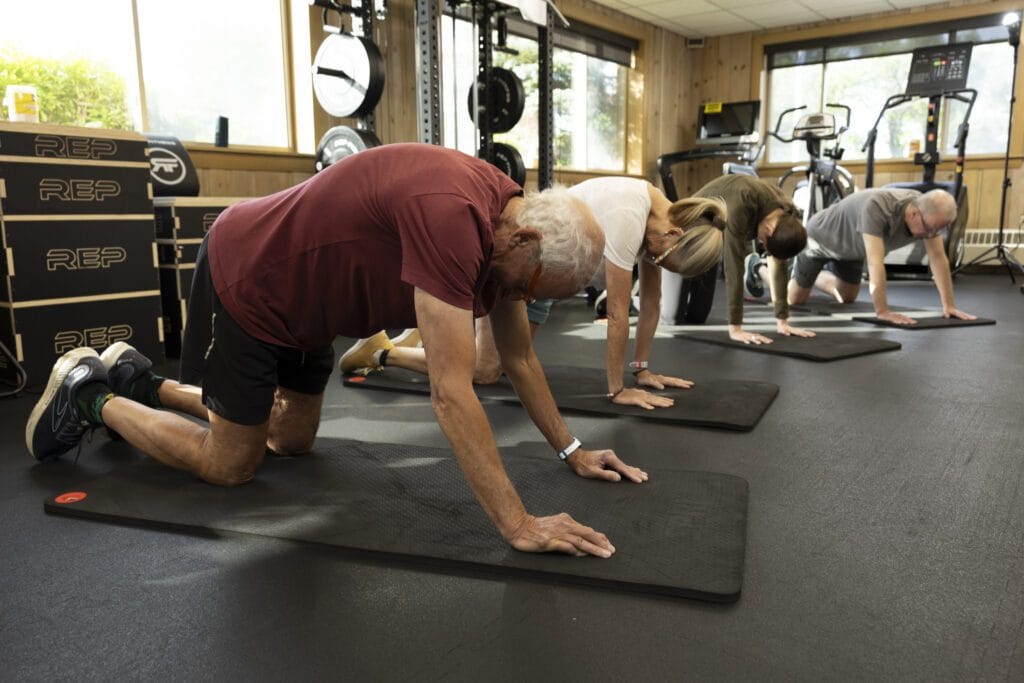
If there were a single intervention that improved strength, bone density, balance, insulin sensitivity, and independence in people over 50, it would be prescribed to everyone. That intervention exists. It is strength training with progressive load.
It is also the activity most people over 50 are least likely to be doing, usually because someone told them to stick to walking.
Why it matters more, not less, after 50
Adults lose roughly one percent of muscle mass per year after 50 if they do not train. Bone density declines in parallel. Balance and reaction time decline with them. The result is a slow erosion of capability that shows up as “I do not get up off the floor like I used to.”
All of those are trainable. Loading muscle builds it. Loading bone, through the muscles that attach to it, maintains density. Every one of those adaptations is still available at 60, 70, and beyond.
The three priorities
1. Compound movements, conservative load
Squat, hinge, push, pull, carry. These patterns load the most muscle with the fewest exercises. Start with a load you could do three more reps with, and add weight slowly. The one on one training model suits this age group particularly well, because technique supervision is what makes progression safe.
2. Recovery gets scheduled, not hoped for
Recovery is slower after 50. That does not mean train less, it means train smarter: two or three quality sessions a week, forty-eight hours between similar sessions, and a willingness to reduce volume when sleep or stress is poor.
3. Address joints before they limit you
Most people over 50 arrive with one or two joints that complain. Instead of avoiding them, we load them in ranges they tolerate and add targeted mobility work around them. Knees usually respond well to controlled loading, not rest.
A realistic first eight weeks
- Weeks 1 to 2: learn the patterns with bodyweight and light implements. Two sessions per week.
- Weeks 3 to 4: add external load. Three sets of five to eight reps on the main lifts.
- Weeks 5 to 8: progress load weekly. Add a third session if recovery allows.
By week eight, most beginners over 50 are stronger than they were ten years ago on at least one lift. That is not an exaggeration; it is what untrained muscle does when it finally gets a stimulus.
What to be careful with
- Jumping straight into high intensity classes.
- Maxing out to test yourself in the first month.
- Ignoring pain that is sharp, or that lasts more than a few days.
- Training hard while sleeping five hours.
The independence argument
The point of all of this is not a number on a bar. It is carrying your own groceries at 80, getting off the floor without help, and recovering from a fall instead of being defined by it. Strength is the currency of independence, and it is never too late to start earning it.
Strength Training After 50: Where to Start
Start with two sessions a week, five compound movements, and load you could do three more reps with. Strength training after 50 responds to exactly the same stimulus it did at 30, just with more attention to recovery.
If you are over 50 and want to start strength training after 50 with supervision rather than guesswork, book a movement screen first.
The activity recommendations at CDC physical activity guidelines are a reasonable baseline; strength work is the part most people skip.
Two practical notes from coaching this age group. First, warm up longer than you think you need to: five minutes of easy movement and a few ramp-up sets costs nothing and prevents most of the soreness that derails week two. Second, do not test your maximum on anything in the first month. Save that for when technique is automatic, and you will get a much more useful number.
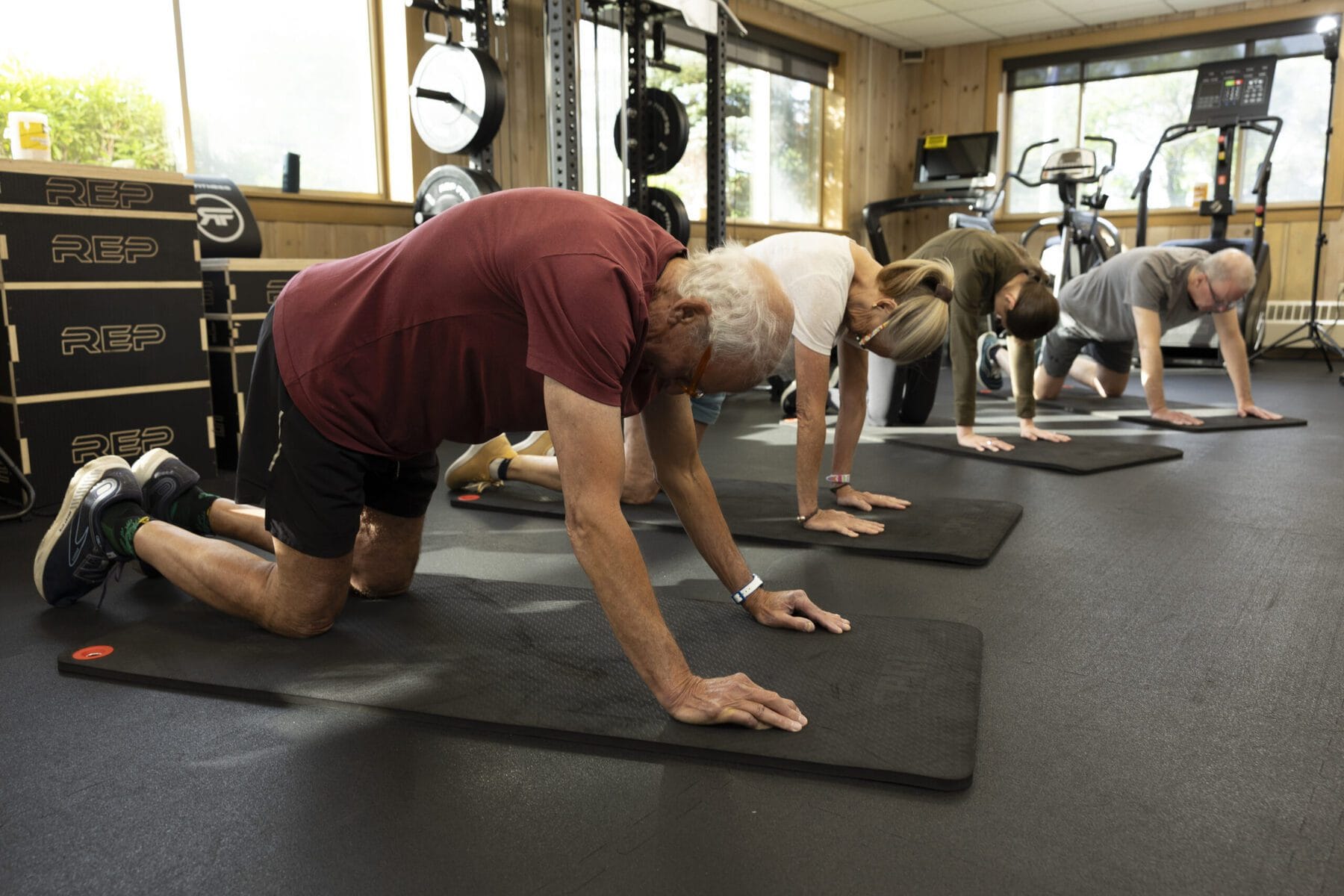
Strength training after 50 in practice
Most people who look into strength training after 50 want the same three answers: cost, frequency, and how fast results show up. All three get answered before you commit to anything with strength training after 50. Start with strength training after 50 and you get a movement screen, a written plan, and coaching on every rep.
Nothing about strength training after 50 is guesswork. There is no contract to sign before you try strength training after 50. With strength training after 50, the plan for the days you train alone is written down.
If you are over 50 and want to start properly, book a free consultation. We will screen your movement first, and the first three sessions are free. You can also read about training around knee pain if that is the thing holding you back.